Product managers play a crucial role in the development and success of a product. One of the key tasks in a product manager’s toolkit is prototyping. Prototyping enables product managers to validate their ideas, gather feedback, and iterate rapidly. In this guide, we will explore the importance of prototyping for product managers and provide tips on how to create effortless prototypes for idea validation.
Importance of Prototyping for Product Managers
Prototyping is a crucial step in the product development process for product managers. It serves as a tangible representation of an idea, allowing stakeholders to visualize and interact with the product before investing significant resources in its development. Prototyping helps product managers validate their assumptions, gather feedback from users, and make informed decisions based on real data.
Understanding the Role of Prototyping in Idea Validation
Prototyping is an essential tool for product managers to validate their ideas. By creating a prototype, product managers can quickly test different features, functionalities, and design elements to see what resonates with users. Prototyping also helps in identifying potential flaws in the concept early on and making necessary adjustments before moving forward with development.
Tips for Effortless Prototyping
Start with Low-Fidelity Prototypes
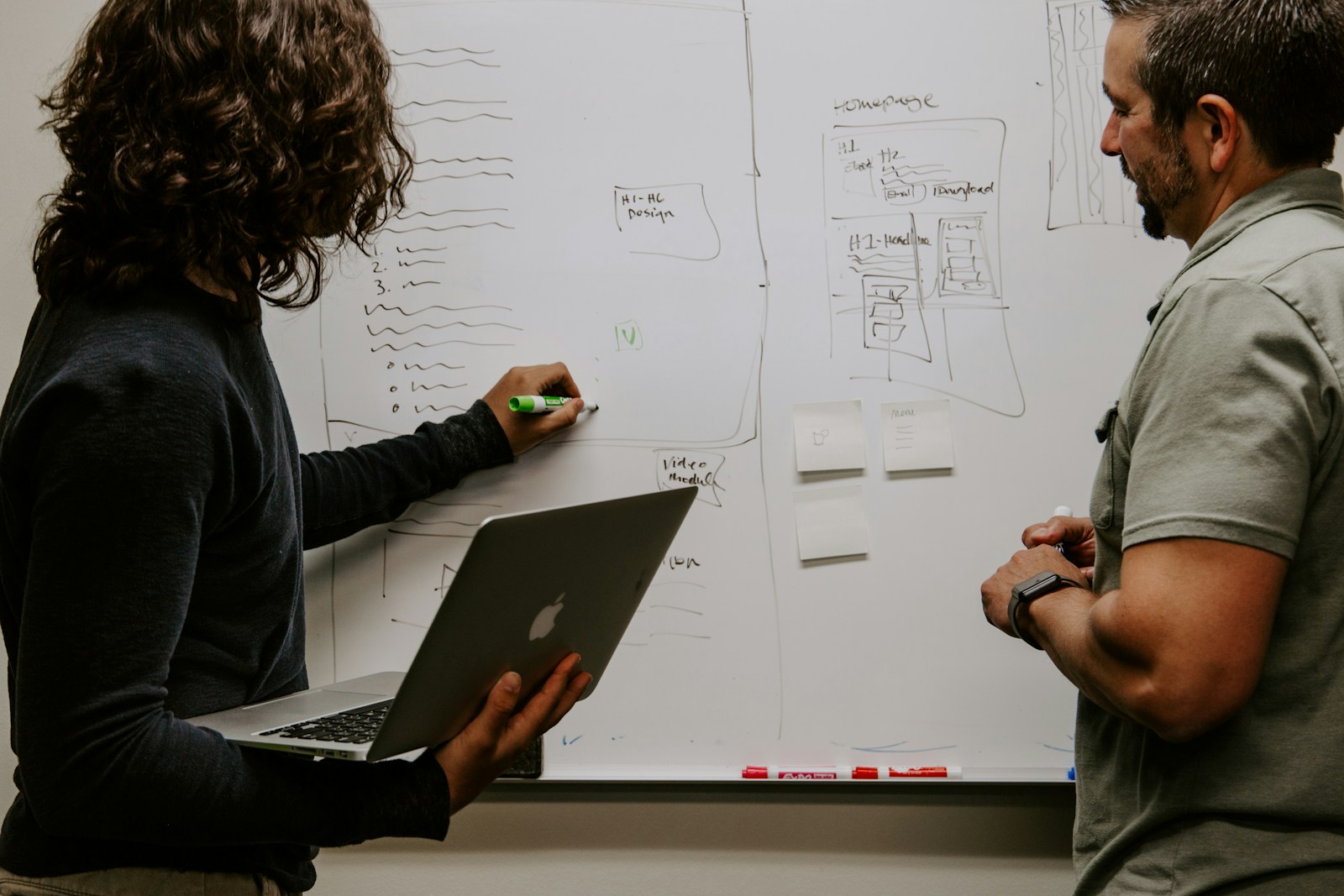
When it comes to prototyping, starting with low-fidelity prototypes can save time and resources. Low-fidelity prototypes are quick and easy to create, allowing product managers to focus on the core functionality of the product rather than getting caught up in details. These prototypes can be as simple as sketches on paper or digital wireframes created using prototyping tools.
Use Prototyping Tools
There are several prototyping tools available that can help product managers create interactive prototypes without any coding knowledge. Tools like Sketch, Figma, Adobe XD, and InVision allow product managers to design and test prototypes with ease. These tools enable product managers to simulate user interactions, gather feedback, and iterate on their designs quickly.
Involve Stakeholders Early
Involving stakeholders, such as designers, developers, and end-users, in the prototyping process is crucial for idea validation. By sharing prototypes with stakeholders early on, product managers can gather valuable feedback and insights that can shape the direction of the product. Stakeholder feedback can help product managers identify potential roadblocks, refine features, and ensure alignment with the overall product vision.
Test and Iterate
Prototyping is a iterative process, and product managers should be prepared to test and iterate on their prototypes multiple times. Conducting user tests and gathering feedback at each iteration can help product managers identify areas for improvement and make necessary adjustments. By continuously refining the prototype based on feedback, product managers can ensure that the final product meets the needs and expectations of users.
Conclusion
Prototyping is an invaluable tool for product managers to validate their ideas, gather feedback, and iterate on their designs. By following the tips outlined in this guide, product managers can create effortless prototypes for idea validation and increase the chances of success for their products. Incorporating prototyping into the product development process can lead to better user experiences, enhanced product functionality, and ultimately, increased success in the market.